How to Get Your RYA Yachtmaster Qualification
18 May 2026
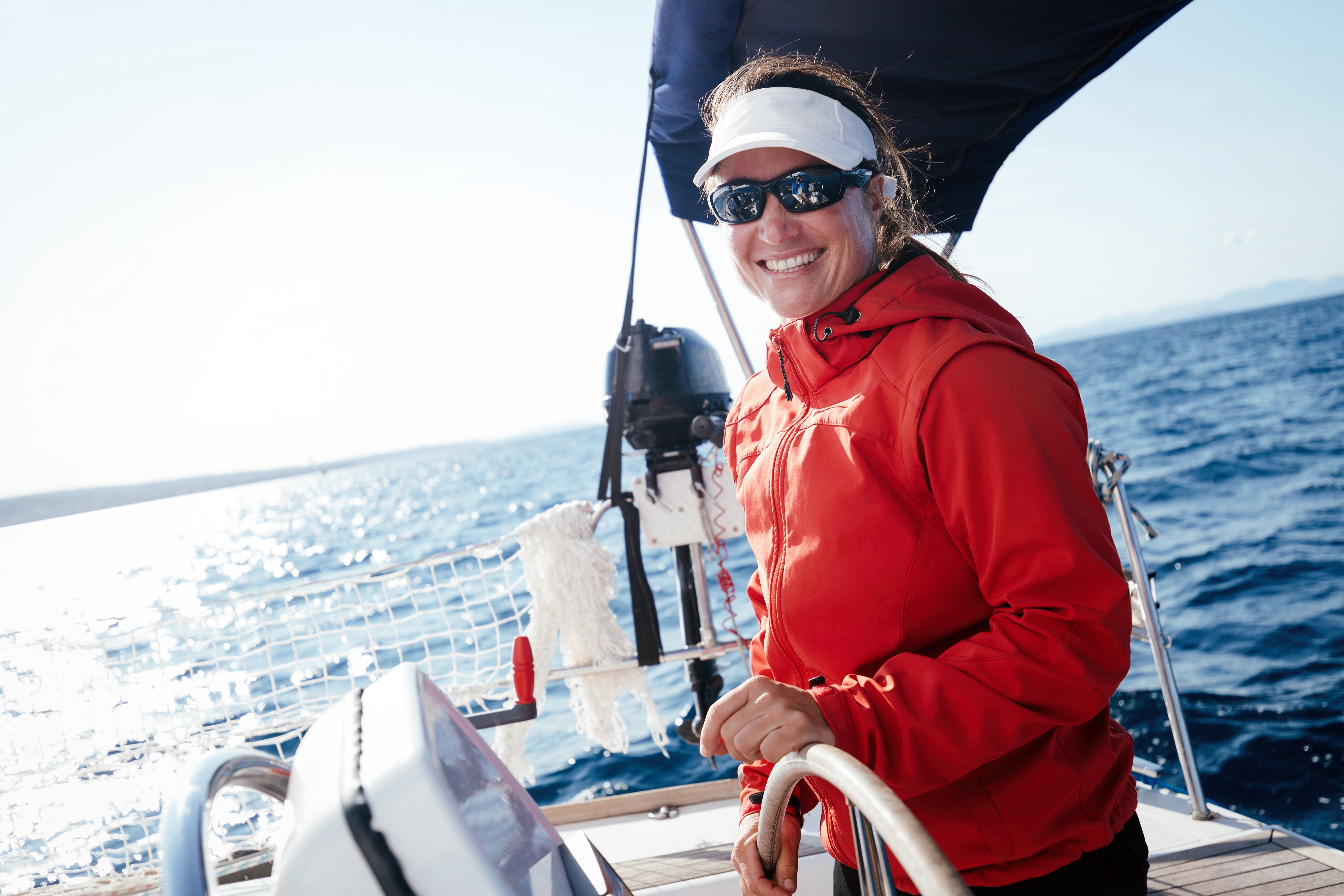
The RYA Yachtmaster is the most respected sailing qualification in the world. Recognised internationally by charter companies, maritime authorities, and professional yachting employers across every ocean, it is the benchmark credential for anyone serious about a career on the water — and the gold standard for experienced recreational sailors who want to validate their competence with a rigorous, examiner-led assessment.
This guide covers both Yachtmaster Coastal and Yachtmaster Offshore — the requirements, the preparation, the exam itself, and what the qualification unlocks.
What Is the RYA Yachtmaster?
The RYA Yachtmaster is a practical competency certificate awarded by the Royal Yachting Association following an independent examination by an RYA examiner. Unlike most sailing courses, there is no taught Yachtmaster course — you cannot simply attend a class and pass. The certificate is awarded on the basis of demonstrated experience, documented sea miles, and performance in a rigorous on-the-water exam that typically lasts between 8 and 24 hours.
There are three levels:
Yachtmaster Coastal — coastal and inshore waters; minimum 800 miles
Yachtmaster Offshore — offshore passages and open sea; minimum 2,500 miles
Yachtmaster Ocean — ocean passages; requires a qualifying ocean passage and celestial navigation
Each level also has a Commercial Endorsement option for those wishing to work professionally as a skipper for reward.
Yachtmaster Coastal vs Yachtmaster Offshore — Which Should You Aim For?
Yachtmaster Coastal is the appropriate target for sailors primarily operating in sheltered coastal and inshore waters. It demonstrates competence in pilotage, coastal navigation, and boat handling in familiar waters.
Yachtmaster Offshore is the more widely recognised and career-relevant qualification. It demonstrates the ability to navigate and manage a yacht on offshore passages in open sea conditions, day and night, in varied weather. For anyone pursuing professional yachting roles — charter skipper, flotilla skipper, delivery captain, or sailing instructor — Yachtmaster Offshore is the target.
In practice, most serious candidates aim directly for Offshore rather than treating Coastal as a stepping stone.
Step 1: Understand and Meet the Prerequisites
The Yachtmaster examination has strict eligibility requirements. You must meet these before booking your exam — examiners will check your logbook.
Yachtmaster Coastal Prerequisites
Sea miles: Minimum 800 miles within the last 10 years
Night hours: 30 hours on watch at night
Passages: At least 3 passages over 60 nautical miles, including at least one overnight passage
VHF/SRC licence: Valid Short Range Certificate
First aid: RYA-approved first aid certificate or equivalent
Yachtmaster Offshore Prerequisites
Sea miles: Minimum 2,500 miles within the last 10 years
Days at sea: At least 50 days
Passages: Five passages over 60 nautical miles, including two overnight and two as skipper
Night hours: At least 12 hours on watch at night
VHF/SRC licence: Valid Short Range Certificate
First aid: RYA-approved first aid certificate or equivalent
Important: Miles must be logged on a sailing yacht or motorboat at sea — not on inland waterways. Keep a detailed, accurate logbook from the start of your sailing career. Examiners scrutinise logbooks carefully and will decline to examine candidates with insufficient or poorly documented experience.
Step 2: Build Your Sea Miles and Experience
The mileage requirements are a floor, not a target. Strong Yachtmaster candidates arrive at the exam with experience well beyond the minimum — in varied conditions, on different vessels, in unfamiliar waters, and in a range of roles from crew to skipper.
How to build your qualifying experience:
Skipper and crew on passages over 60nm — prioritise these for logbook value
Complete overnight and multi-day passages as skipper, not just crew
Sail in varied weather conditions — force 4 to 6 on passage is normal; experience in stronger conditions is valuable
Navigate in unfamiliar waters — pilotage in a busy commercial port or tidal estuary is better preparation than familiar home waters
Join yacht delivery crews — excellent for accumulating offshore miles quickly
Participate in offshore racing — combines miles with heavy-weather experience and watchkeeping
Flotilla work, charter crewing, and sailing holidays all count if properly logged
For Yachtmaster Offshore, aim for at least 3,000–4,000 miles with genuine passage-making experience rather than the bare 2,500 minimum. Examiners notice the difference.
Step 3: Complete the Required Theory
Navigation theory is a core component of the Yachtmaster syllabus and must be solid before the exam. The RYA Yachtmaster Theory course (also known as the RYA Coastal Skipper and Yachtmaster Offshore Theory course) covers the full navigation and seamanship theory examined at Yachtmaster level.
Theory course content:
Advanced chartwork and position fixing
Tidal calculations and tidal stream analysis
Passage planning and contingency planning
Meteorology and weather forecasting
Collision regulations (COLREGS) — in full
Safety procedures, distress signals, and emergency management
Lights, shapes, and sound signals
Celestial navigation concepts (relevant to Ocean level)
The theory course is typically delivered over 5–7 days in a classroom setting or via distance learning. The RYA Day Skipper theory course is a useful prerequisite if your navigation foundations need building before tackling Yachtmaster theory.
Step 4: Consider the Yachtmaster Practical Preparation Course
A 5-day RYA Coastal Skipper/Yachtmaster Offshore Practical course is not mandatory — but is strongly recommended for candidates who want structured feedback on their boat handling and navigation before the exam.
The course covers:
Advanced boat handling under sail and power
Pilotage in restricted visibility and at night
Anchoring and mooring in difficult conditions
Passage planning and execution
Man overboard recovery under various scenarios
Crew management and leadership
Even very experienced sailors benefit from the structured assessment and feedback this course provides. It is also a reliable indicator of exam readiness — instructors delivering the course will tell you honestly if you need more time before sitting the exam.
Step 5: Prepare for the Exam
The Yachtmaster exam is not a test you can cram for. It is an assessment of accumulated competence — and preparation means refining skills you've been developing over years, not learning new ones in the weeks before.
Key skills to have sharp for exam day:
Passage planning: Plan a safe passage from scratch, including tidal calculations, waypoints, contingency harbours, and weather decision-making
Pilotage: Enter and leave an unfamiliar harbour or anchorage using chart, pilot book, and transits
Man overboard recovery: Execute a confident, effective recovery under both sail and power
Anchoring and mooring: Handle the yacht in confined spaces with precision
Night navigation: Confident watchkeeping, light identification, and decision-making in low visibility
COLREGS: Apply collision regulations correctly in real situations — not just in theory
Crew management: Lead confidently, brief clearly, and maintain safety standards throughout
Many candidates book a mock exam with an RYA examiner or senior instructor before their actual exam. This is money well spent — it surfaces gaps and replicates exam conditions accurately.
Step 6: Book and Sit the Exam
Book your exam through an RYA-recognised training centre or directly with an independent RYA examiner. You will need to provide your logbook for review before the exam date is confirmed.
Exam format:
Level Typical duration Format Yachtmaster Coastal 8–12 hours On-the-water practical examination Yachtmaster Offshore 12–24 hours On-the-water practical examination, often overnight
The exam takes place on the water — typically on your own vessel or a charter yacht arranged through the examination centre. The examiner will observe and assess your performance across a full range of seamanship, navigation, and leadership scenarios. You will be asked to plan a passage, execute manoeuvres, respond to simulated emergencies, and demonstrate that you can safely manage a vessel and crew.
What examiners are looking for:
Safe, confident boat handling in real conditions
Sound navigation judgement and decision-making
COLREGS applied correctly in practice
Clear, effective leadership and crew communication
Appropriate responses to problems, emergencies, and changing conditions
There is no pass mark or checklist — the examiner makes a professional judgement on whether you are a competent skipper. Marginal candidates may receive a deferred result with specific areas to address before resitting.
Step 7: Apply for the Commercial Endorsement (If Required)
If you intend to use your Yachtmaster qualification professionally — as a charter skipper, flotilla leader, delivery captain, or sailing instructor — you will need the Commercial Endorsement alongside your certificate.
Additional requirements for the Commercial Endorsement:
STCW Basic Safety Training (or RYA Sea Survival as minimum for smaller vessels)
Valid medical certificate: ENG1 or ML5 depending on the type of commercial operation
Valid first aid certificate
Current VHF/SRC licence
The Commercial Endorsement is what makes your Yachtmaster legally valid for skippering vessels for reward. Without it, the certificate demonstrates personal competence but does not authorise commercial operation.
Step 8: Consider Yachtmaster Ocean (Optional)
For sailors with ambitions beyond coastal and offshore waters, the Yachtmaster Ocean is the top tier of the RYA qualification framework.
Yachtmaster Ocean requirements:
Hold Yachtmaster Offshore
Complete an ocean qualifying passage of at least 600 miles, including 2 nights at sea, as skipper or watch leader
Complete the RYA Ocean Theory course (celestial navigation, astro theory, passage planning for ocean voyages)
Pass a celestial navigation exam
Yachtmaster Ocean is the qualification of choice for blue-water passage-makers, offshore delivery skippers, and those running larger commercial yachts on ocean routes.
How Long Does It Take to Get a Yachtmaster?
There is no fixed timeline — it depends entirely on how quickly you accumulate the required sea miles and experience. For most people sailing recreationally, the Yachtmaster Offshore pathway takes several years of active sailing.
Route Typical timeline Intensive (liveaboard, deliveries, racing) 2–3 years Regular recreational sailor 4–7 years Occasional sailor 7–10+ years
The theory course and practical prep course can be completed at any point on the journey — many candidates complete theory early and spend subsequent years building the required miles.
What Jobs Does a Yachtmaster Qualification Open Up?
The RYA Yachtmaster is the entry-level professional qualification for most commercial sailing roles and the expected credential for a wide range of senior positions in the marine industry.
Roles typically requiring or preferring Yachtmaster:
Charter yacht skipper
Flotilla skipper and lead crew
Yacht delivery captain
Sailing school instructor (RYA Yachtmaster Instructor)
Bareboat charter base manager
Corporate sailing event skipper
Superyacht deckhand (stepping stone to Officer of the Watch)
Race delivery and race sailing crew
Browse Yachtmaster-level sailing jobs on BoatyJobs →
How Much Do Yachtmaster-Qualified Skippers Earn?
Earning potential varies significantly by role, vessel size, and whether the work is seasonal or year-round.
Flotilla skipper: €2,000–€3,500/month + accommodation (seasonal)
Charter yacht skipper (bareboat/crewed): €2,500–€5,000/month
Yacht delivery: Day rates of €150–€400+ depending on experience and vessel
Sailing instructor (RYA): £24,000–£40,000+/year
Commercial skipper (day charter / corporate): £30,000–£55,000+/year
Superyacht (Officer of the Watch): €3,500–€6,000+/month
The Commercial Endorsement is essential for all paid skippered roles — ensure this is in place before taking on any commercial work.
Frequently Asked Questions
How much does the RYA Yachtmaster exam cost? Examiner fees for the Yachtmaster Offshore exam typically run £500–£800 in the UK, depending on the examiner and location. Add the theory course (£300–£600), the practical prep course (£800–£1,500), any resit fees, and the cost of the Commercial Endorsement prerequisites (STCW, medical) and the full pathway cost is typically £3,000–£6,000+.
Can I sit the Yachtmaster exam on my own boat? Yes — many candidates prefer this. Your boat must be suitable for the examination (seaworthy, properly equipped, with functional navigation instruments). Confirm requirements with your examiner when booking.
Does the Yachtmaster qualify me to command any size vessel commercially? The Yachtmaster Offshore with Commercial Endorsement qualifies you to skipper vessels up to 200GT within 150nm of a safe haven. For larger vessels or greater ranges, additional MCA certifications (Officer of the Watch, Master) are required. Confirm the specific regulatory requirements for your intended operation with the MCA.
Is the RYA Yachtmaster recognised outside the UK? Yes — it is one of the most internationally recognised small craft qualifications in the world, accepted by maritime authorities, charter companies, and employers across the EU, Mediterranean, Caribbean, Pacific, and beyond. Some countries require additional local certification for commercial operations — always check local requirements.
What is the difference between RYA Yachtmaster and MCA certificates? RYA Yachtmaster is a competency certificate awarded by the RYA. MCA (Maritime and Coastguard Agency) certificates of competency are statutory qualifications for commercial vessels of certain sizes. For vessels under 24m operating commercially, Yachtmaster with Commercial Endorsement is typically the relevant qualification. For larger commercial vessels, MCA STCW qualifications apply.
Ready to Find a Role That Needs Your Yachtmaster?
BoatyJobs lists skipper, flotilla, charter, and delivery roles requiring RYA Yachtmaster qualifications across the UK, Mediterranean, and globally.